
Mastering Sports Broadcasting: Techniques and Insights for Engaging Audiences
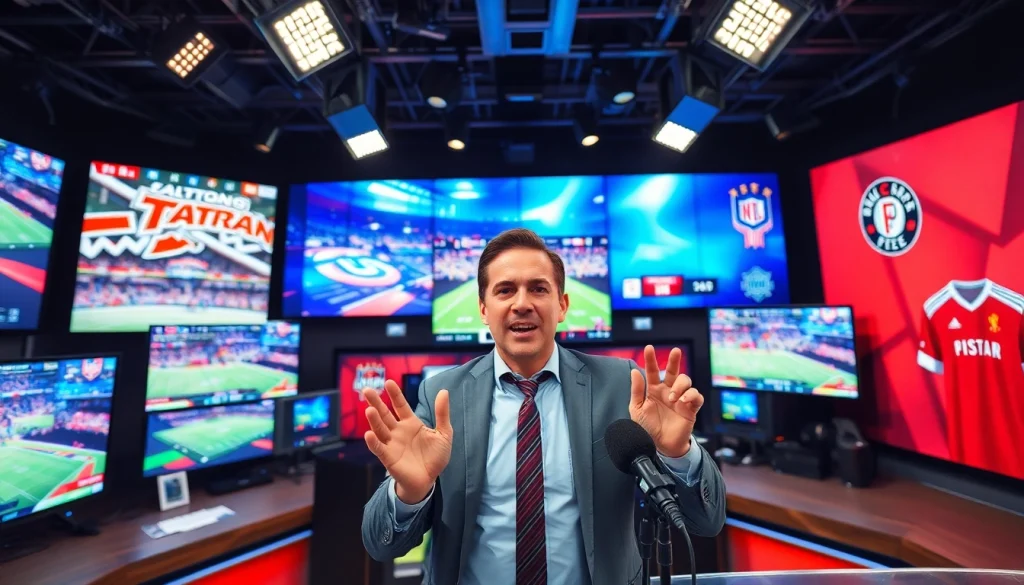
Understanding Sports Broadcasting Fundamentals
What is Sports Broadcasting?
Sports Broadcasting refers to the dissemination of sports-related content via various platforms, including television, radio, and the internet. It plays a pivotal role in connecting audiences with sporting events, offering not just live coverage but also pre- and post-event analyses, highlights, and interviews. This multifaceted field encompasses various elements such as commentary, media production, and viewer engagement strategies. Effective Sports Broadcasting enhances the viewer’s understanding and appreciation of sports while contributing to the overall excitement of the events.
Key Roles in Sports Broadcasting
The ecosystem of sports broadcasting comprises diverse roles, each crucial for delivering an engaging viewing experience. Here are some of the key positions:
- Play-by-Play Announcer: This person provides a continuous narrative of the game, describing the actions as they unfold to keep the audience engaged and informed.
- Color Commentator: Focused on providing expert analysis, this role adds depth to the play-by-play commentary, often sharing insights based on experience and knowledge of the sport.
- Production Crew: Behind the scenes, the production team is responsible for camera work, sound production, and overall broadcast quality. Their meticulous planning ensures smooth transitions and high-quality output.
- Host/Anchor: The central figure who ties the broadcast together, hosts often lead discussions and interviews, setting the tone and pace of the program.
- Research Team: Equipped with data and statistics, this team supports broadcast commentators, supplying relevant information to enhance discussions.
Core Technologies Used in Sports Broadcasting
The technology landscape in sports broadcasting is continually evolving to enhance viewer experiences. Key technologies include:
- Broadcast Equipment: Cameras, microphones, and control rooms equipped with advanced technology enable high-quality video and audio feeds.
- Editing Software: Post-production software is used to edit highlights and create engaging packages, significantly impacting viewer retention and satisfaction.
- Streaming Platforms: As audiences shift toward on-demand content, platforms for live streaming games increase, facilitating global viewership.
- Analytics Tools: These tools track viewer engagement and preferences, helping broadcasters tailor content to audience expectations.
Essential Skills for Sports Broadcasters
Communication Skills for Engaging Viewers
Effective communication is paramount in sports broadcasting. Broadcasters must articulate thoughts clearly, adapt language to their audience’s level of understanding, and maintain an engaging tone. This involves utilizing storytelling techniques to create a narrative around the game, establishing emotional connections with viewers.
Research and Preparation Techniques
A thorough understanding of the sports, teams, and players being covered is essential for broadcasters. Research techniques often involve background checks on player statistics, team history, and real-time information during live events. Preparation also includes rehearsing scripts and familiarizing oneself with broadcasting technology.
Adapting to Different Sports and Audiences
Broadcasters often cover multiple sports, necessitating adaptability in presentation styles and terminology. Recognizing the differing cultures and traditions associated with various sports allows broadcasters to connect with diverse audiences more effectively.
Leveraging Technology in Sports Broadcasting
Tools and Software in Sports Broadcasting
The integration of sophisticated tools and software enhances the broadcasting experience. Tools like graphic overlays provide real-time information such as scores, player stats, and game timelines. Software for virtual graphics can create engaging visuals that attract viewer attention and enhance storytelling.
Live Streaming and Its Impact
Live streaming has transformed how audiences consume sports content. Broadcasts now reach audiences beyond traditional cable, enabling greater access and real-time engagement. This platform also encourages interaction through live chats and social media integration, making broadcasts more participatory and dynamic.
Using Analytics to Enhance Viewer Engagement
Analytics help broadcasters understand audience preferences and viewing habits. By analyzing metrics such as viewer retention rates and engagement levels, broadcasters can adjust their strategies, refine their content, and tailor their communications to better resonate with the audience’s interests.
Challenges in Sports Broadcasting
Dealing with Technical Difficulties
Sports broadcasts are susceptible to technical issues like equipment failures or connectivity problems. Broadcasters must be prepared with contingencies, including backup equipment and alternate communication methods, to ensure seamless coverage even when issues arise.
Ensuring Accurate Commentary
Accuracy in commentary is critical for building credibility and trust with audiences. Broadcasters must remain vigilant, cross-referencing statistics and player information to provide accurate and timely insights. Continuous education on current sports developments is necessary to achieve this level of accuracy.
Navigating Audience Expectations
Viewers have increasingly high expectations regarding content quality and engagement. Broadcasters must constantly innovate and adapt to meet these demands. Incorporating interactive segments, allowing audience questions, and providing unique angles from which to view events can enhance viewer satisfaction significantly.
Future Trends in Sports Broadcasting
The Rise of Virtual and Augmented Reality
As technology progresses, virtual reality (VR) and augmented reality (AR) are becoming vital tools in sports broadcasting. These technologies allow fans to experience games in novel ways, such as virtual seats in stadiums or AR-enhanced highlights that provide deeper insights. This immersive experience is likely to attract a younger audience and redefine how content is consumed.
Innovative Storytelling Techniques
The future of sports broadcasting lies heavily in storytelling. Broadcasters will increasingly focus on personal narratives around athletes, exploring their journeys and struggles. This human-centered storytelling connects more effectively with audiences and enhances viewer investment in the content.
Sustainability in Sports Broadcasting
As awareness of environmental issues grows, sustainability in sports broadcasting is emerging as a crucial factor. Broadcasters are exploring eco-friendly production practices, reducing carbon footprints, and investing in sustainable technologies. This commitment not only impacts the industry positively but also appeals to environmentally conscious audiences.
FAQs:
What skills are essential for sports broadcasters?
Key skills include excellent communication, in-depth research, adaptability, and engaging presentation styles.
How do technology advancements impact sports broadcasting?
Technological advancements enhance live streaming quality, audience analytics, and viewer engagement through immersive experiences.
What are common challenges in sports broadcasting?
Common challenges include managing technical issues, ensuring commentary accuracy, and meeting diverse viewer expectations.
How can sports broadcasters enhance audience engagement?
Broadcasters can enhance engagement by utilizing interactive content, responding to viewer feedback, and leveraging social media.
What is the future of sports broadcasting?
The future includes increased use of virtual/augmented reality, innovative storytelling, and a focus on sustainability in production.